Article
All season confidence for Europe’s changing winters
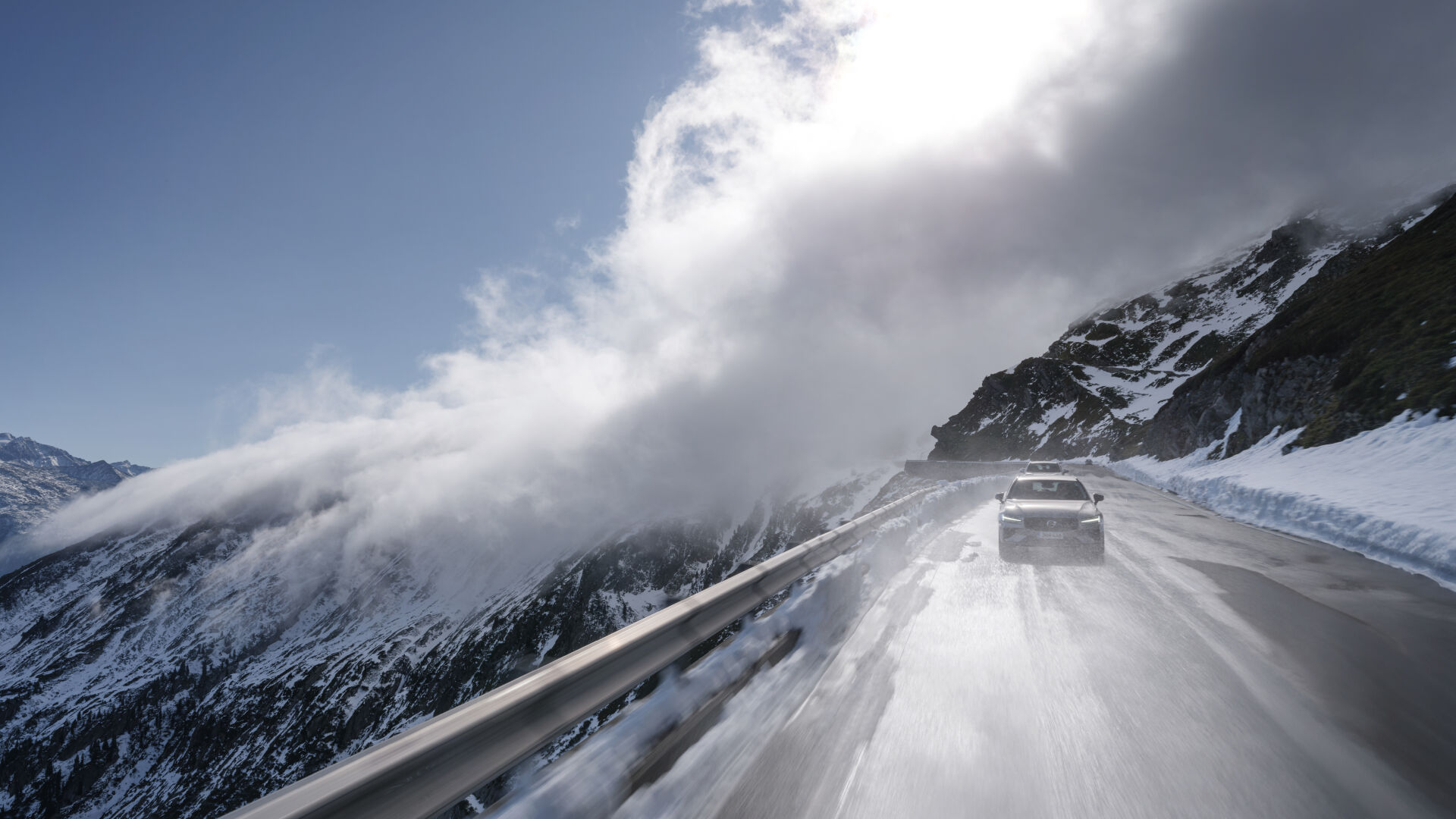
In Europe's areas where winters are generally mild but occasional snowfall still occurs, all‑season tires offer a convenient and versatile solution.
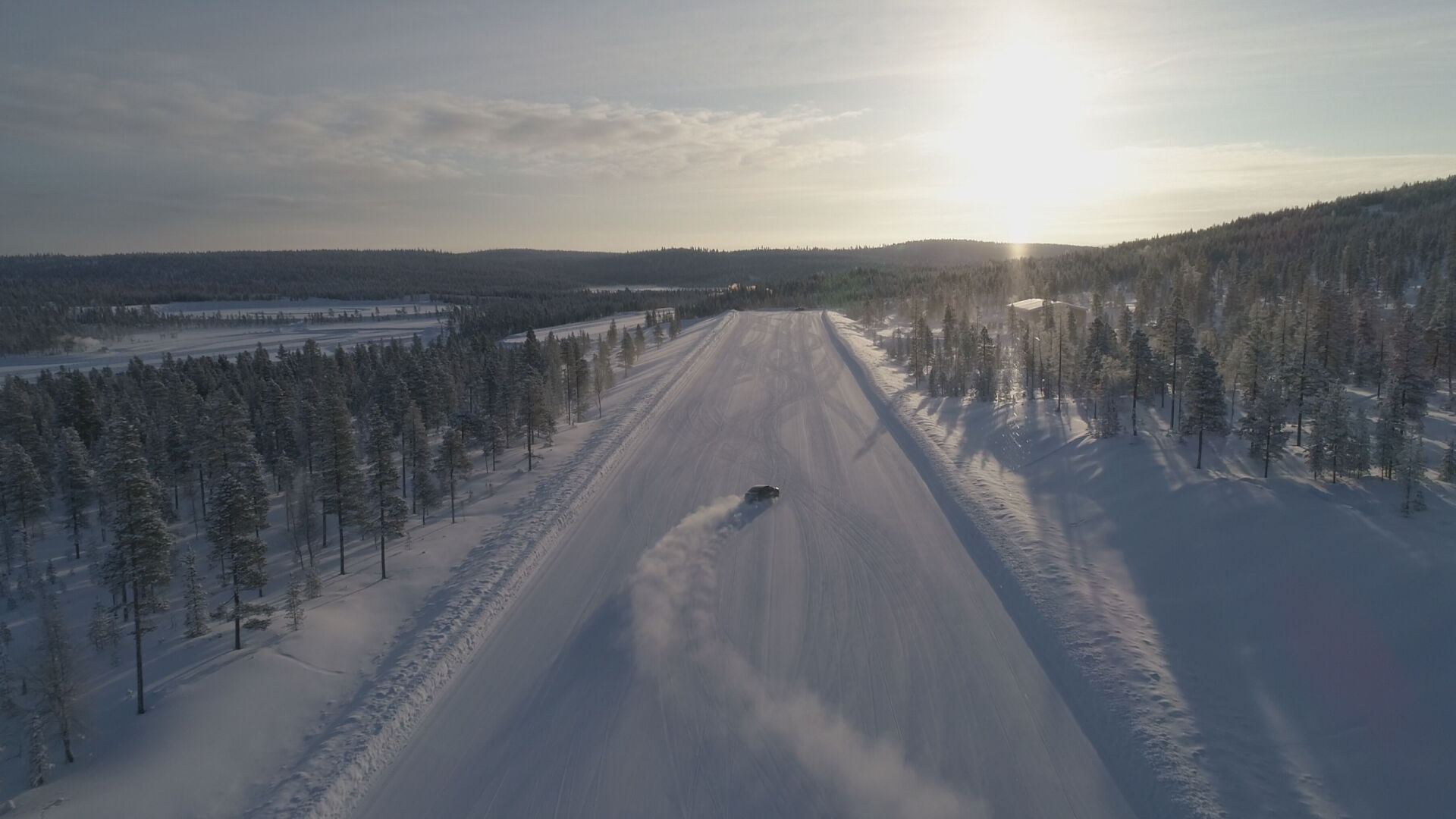
Europe stretches from the sun‑warmed Mediterranean coastline all the way to the Arctic regions of Northern Scandinavia. With such vast geographic range, it is no surprise that winter weather varies dramatically from one part of the continent to another. This places unique demands on tires used in winter, which must be designed to meet the specific conditions of the regions where they are used, taking into account both the regional climate and the everyday needs of local drivers.
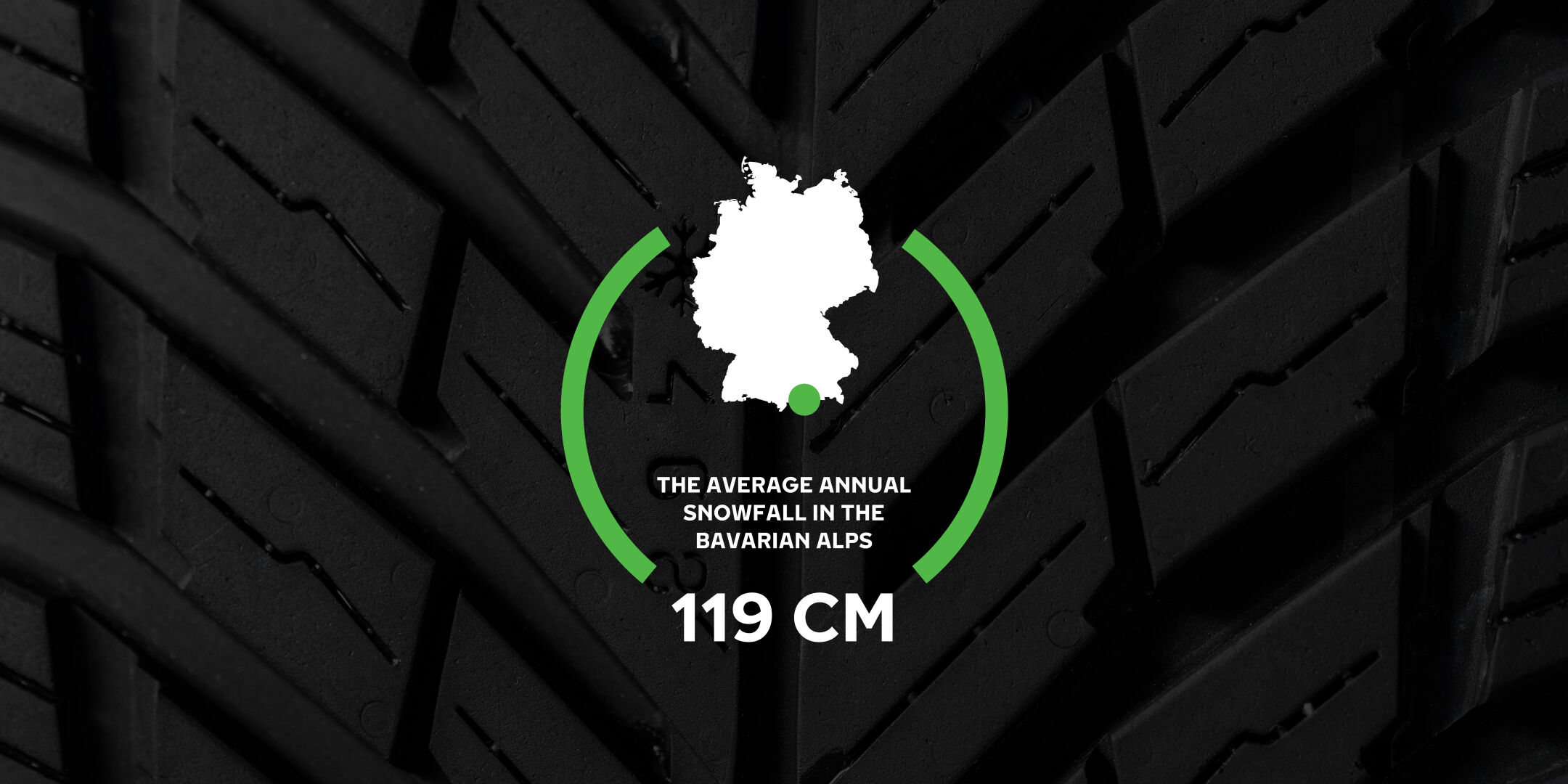
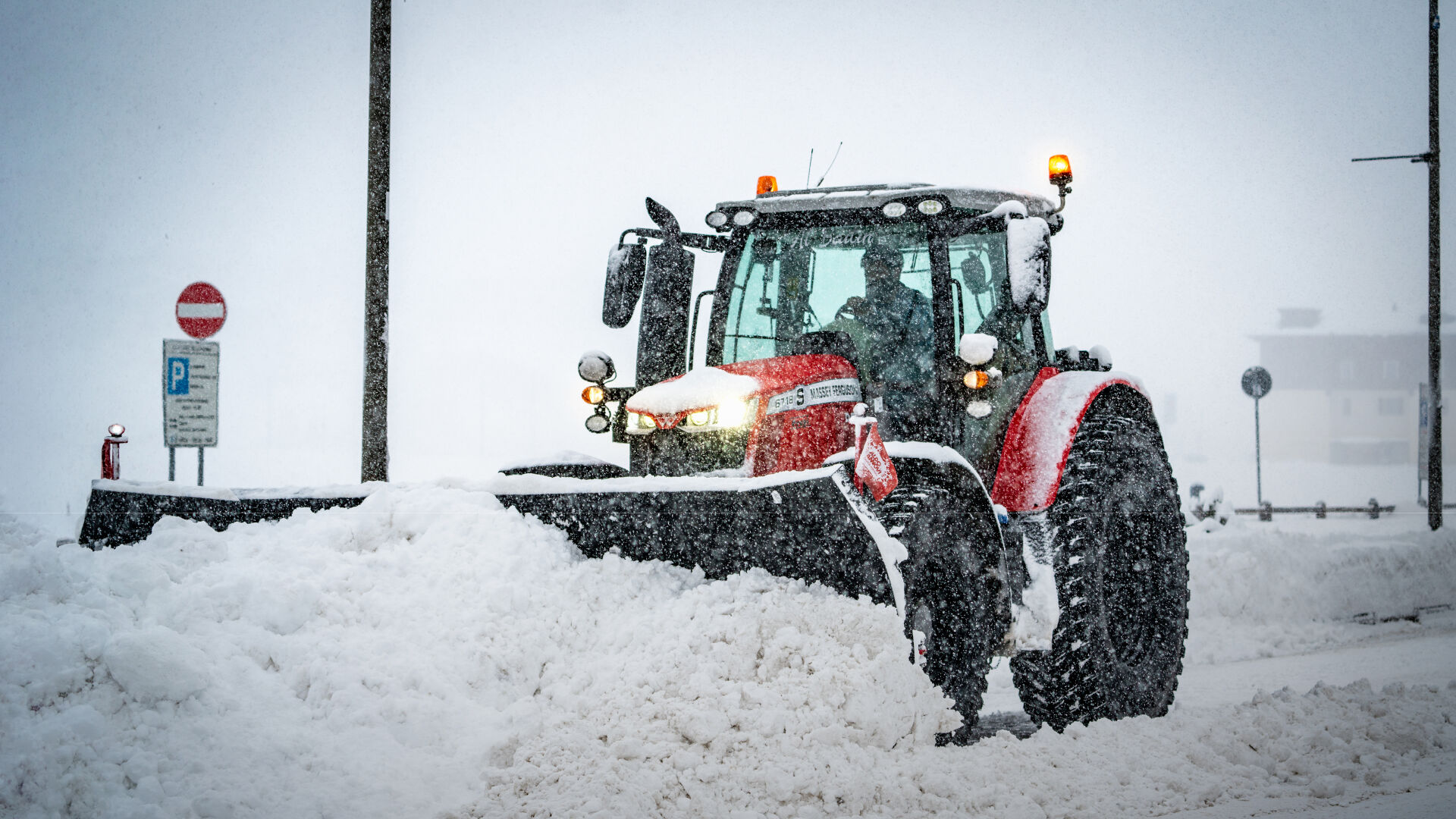
However, even within a single European country, winter conditions can differ significantly. In Germany, for example, snow is a regular part of winter in southern mountainous areas such as the Bavarian Alps, while in many other regions snowfall is brief and winters are rainy with fluctuating temperatures. Climate change is further increasing this variability. Across Europe, winters are becoming less predictable, with some regions experiencing unusually mild temperatures and others facing heavy snowstorms and extreme cold. For these conditions, all-season tires are a great winter option.
In areas with harsh, prolonged winters dedicated winter tires are essential. But in Europe in areas where winters are generally mild but occasional snowfall still occurs, all‑season tires offer a convenient and versatile solution. As their name suggests, European all‑season tires are designed for year‑round use. They are optimized for warm and wet driving conditions while remaining safe and reliable when winter weather arrives. In Europe, all‑season tires must meet the same winter grip requirements as dedicated winter tires. This means they carry the internationally recognized Three‑Peak Mountain Snowflake (3PMSF) symbol, which certifies that the tire has been tested and approved for use in severe winter conditions.
All‑season tires achieve their versatility through tread patterns designed to perform safely on both dry and snowy roads combined with rubber compounds that maintain grip across a wide range of temperatures. The result is confident handling on highways, excellent wet braking performance during autumn rains and sleet, and dependable traction when light snow covers the road. It is important to understand, however, that even the all-season tires designed for Europe are not intended for prolonged or harsh winter conditions and perform best when temperatures remain above 7 degrees Celsius, or 45 degrees Fahrenheit.
This facility is the world’s first full‑scale zero- CO₂-emissions tire factory.
Nokian Tyres aims to meet Europe’s evolving winter driving needs while also reducing environmental impact and supporting a more sustainable future for mobility. Nokian Tyres’ newest all‑season tire, the Nokian Tyres Seasonproof 2, combines advanced safety performance with a strong focus on sustainability. The tire contains up to 38 percent renewable, recycled, and ISCC PLUS certified[1] materials, making it the company’s first tire in commercial production to reach this level. The Nokian Tyres Seasonproof 2 represents a significant step toward the company’s target of using 50 percent renewable and recycled materials in its tires by 2030.
The Nokian Tyres Seasonproof 2 also marks an important production milestone, as it is the first new tire range manufactured at Nokian Tyres’ new factory in Oradea, Romania. This facility is the world’s first full‑scale zero- CO₂-emissions tire factory. The factory has also received International Sustainability and Carbon Certification PLUS, which enables the use of certified materials in the Seasonproof 2 tire range. ISCC PLUS is a globally recognized sustainability certification system, further reinforcing Nokian Tyres’ commitment to responsible manufacturing and transparent supply chains.
[1] Exact percentage depends on tire size. Nokian Tyres Seasonproof 2 contains up to 38% recycled and renewable raw materials, of which 2% are ISCC PLUS mass balance approach certified from bio-based, bio-circular and/or circular feedstock. Typical variation between tire sizes is around 1 %. Nokian Tyres reduces the amount of fossil-based raw materials in tires by using the ISCC PLUS certified materials and by continuously searching for new recycled and renewable alternatives.